Transport general
Rates German Maut for 3.5 tonnes+ vehicles
• 1 min read
The German Federal Highway Toll Act provided that from 1 July 2024 vehicles with a technically permissible maximum mass of more than 3.5 tonnes are subject to toll.
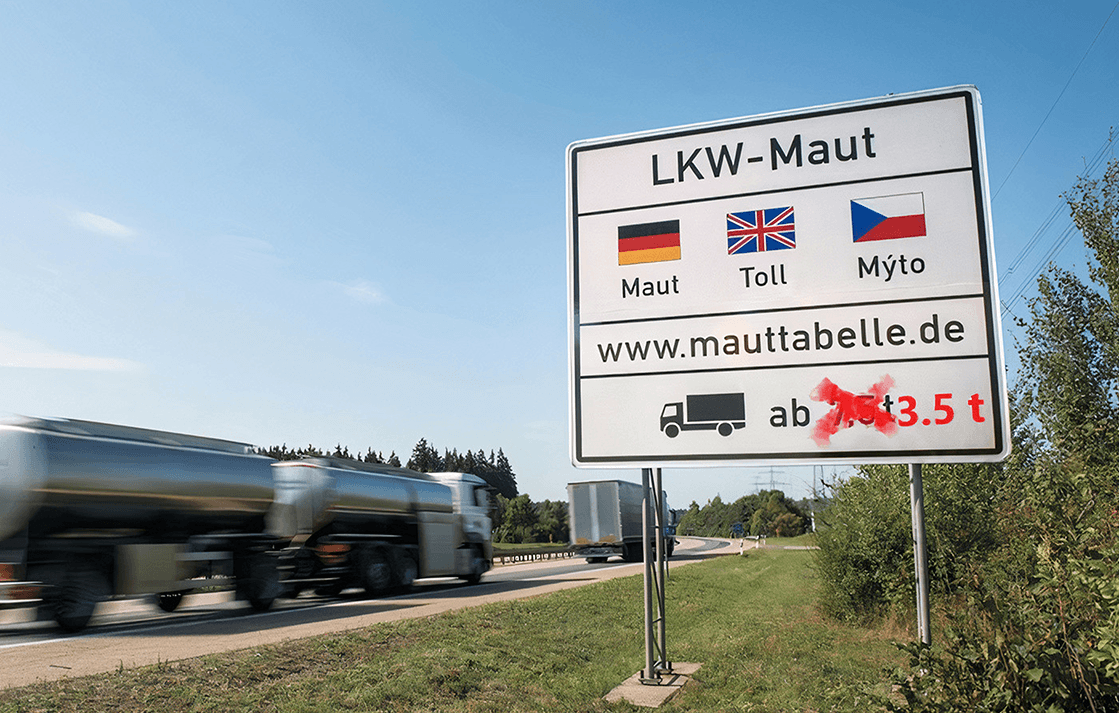
The German Federal Highway Toll Act provided that from 1 July 2024 vehicles with a technically permissible maximum mass (F.1) of more than 3,5 tonnes and less than 7,5 tonnes, intended or used for the carriage of goods by road, To be liable. The tolling obligation previously applied only to vehicles from 7.5 tonnes.
The tolling obligation previously applied only to vehicles from 7.5 tonnes.
On the other hand, the fares for carriers with 7.5 tonnes + weight vehicles, slightly reduced. For commercial package carriers (N1 vehicles), the adjusted scheme thus works at a disadvantage, while for freight transport (N2+ vehicles) it works to their advantage.
To give you a clear overview, we have prepared a table for you with the old and new rates of the German Maut. The new rates will AANZeT on 1 July 2024. The rates are based on the components infrastructure, air pollution, noise and CO2 emissions: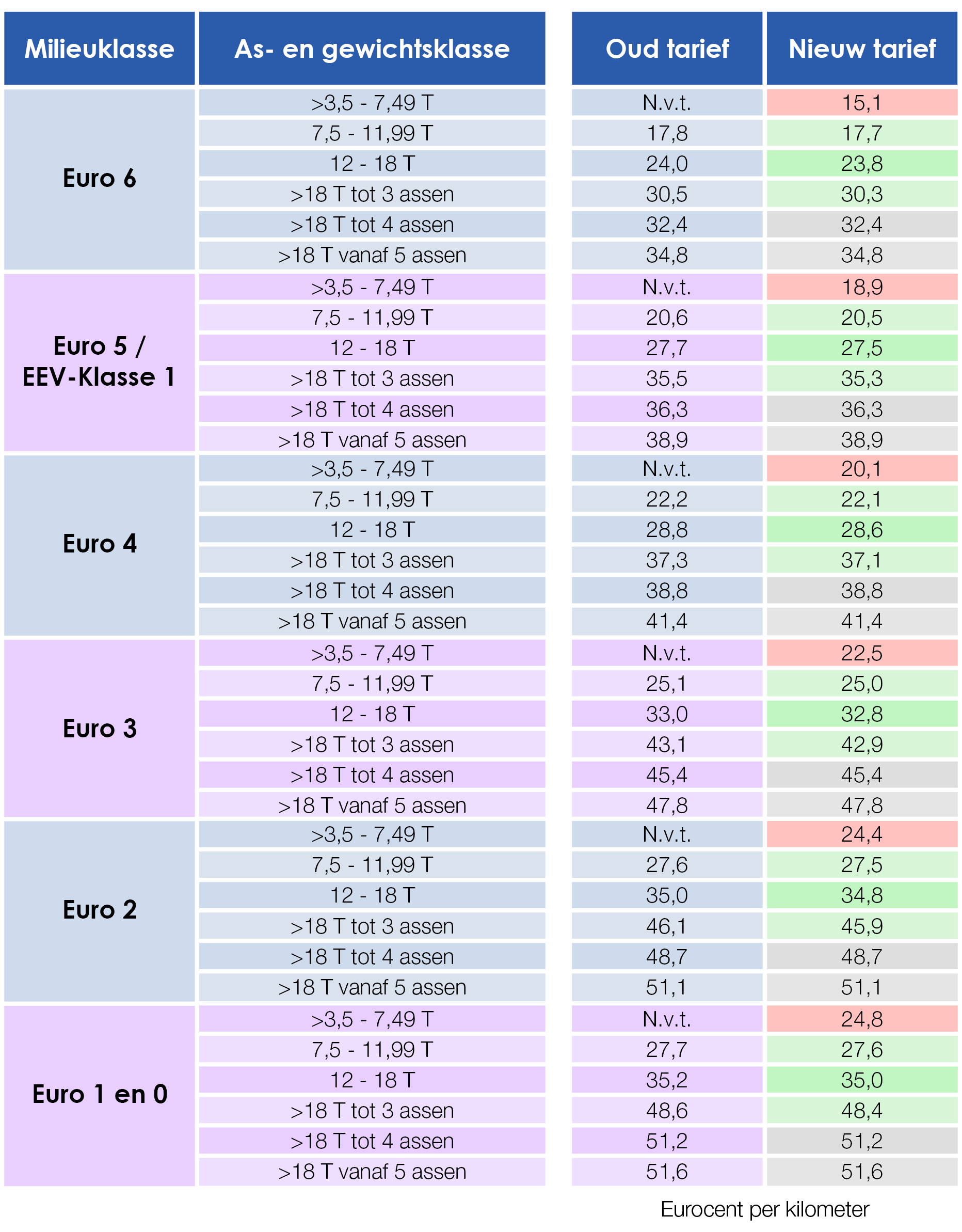 Are your vehicles subject to toll in the future?
Register your vehicles here via the official website of the German Maut.